

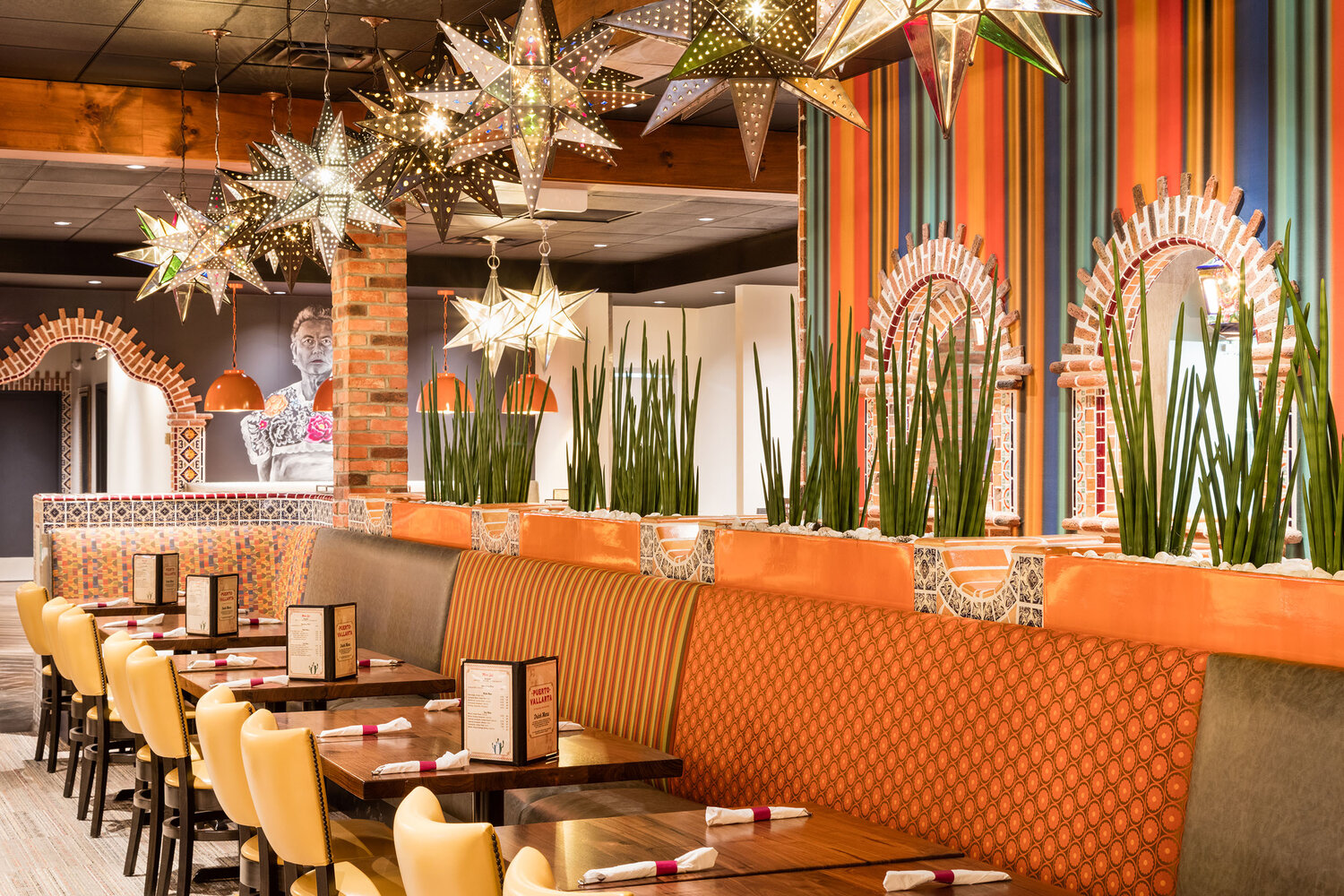
Think about the restaurant you return to again and again. Maybe it isn’t just the food that draws you back but the way the space makes you feel. 70% of diners cite atmosphere and overall experience as a deciding factor in repeat visits. That means design is not only about style, it’s about creating emotional connections that keep guests loyal.
In Connecticut, where dining culture is both vibrant and diverse, the most successful restaurants go beyond function. They create interiors that feel like destinations, telling a story that guests want to revisit. In this article, we’ll explore how design can build loyalty through storytelling, cultural connection, and a sense of belonging.
Designing with Story in Mind
Every restaurant has a story, and the interior is how it comes to life. Guests may not always articulate it, but they feel it. A carefully designed restaurant transports diners into a narrative that aligns with the cuisine, the chef’s vision, or even the heritage of the region.
A modern Italian restaurant might use design to echo the warmth of Tuscan villas, stone accents, earthy textures, and curated artwork, so diners feel transported with every visit. A contemporary seafood concept could weave in subtle coastal influences, reminding guests of New England’s shoreline. When the story resonates, guests feel part of something more than a meal.
The Psychology of Familiarity and Comfort
There’s a reason diners return to places where they feel “at home.” Psychology tells us that humans are drawn to familiarity. Subtle design choices, like a recurring color palette, a signature piece of décor, or a consistent atmosphere, create that sense of recognition.
At the same time, comfort plays an equally important role. Guests want a place where they can relax, laugh, and enjoy without distraction. The best restaurants strike a balance: fresh and exciting enough to inspire return visits, but familiar enough to feel like a trusted part of a guest’s routine.
Creating a Sense of Place in Connecticut
Connecticut has a unique dining culture, blending metropolitan sophistication with New England charm. Restaurant design here has the opportunity to highlight that duality. Some interiors lean into historic architecture, celebrating character-rich beams, brick walls, or vintage accents. Others embrace modern eclecticism, layering bold colors, dramatic artwork, and contemporary furniture.
No matter the style, the secret is creating a sense of place. Diners should walk in and immediately feel that the restaurant could only exist there, in that town, in that community, reflecting its spirit. That kind of rooted design deepens connections and makes guests proud to return and bring others.
Emotional Touchpoints Guests Remember
While diners may not remember every design detail, they do remember how a place made them feel. Successful restaurants create touchpoints that stick in memory and invite retelling. It could be the playful artwork that sparks conversation, the cozy alcove where couples return for anniversaries, or the bold bar design that becomes the backdrop for countless celebrations.
These emotional moments are part of the experience, and they’re what transform first-time guests into loyal patrons. As Cornell University research shows, dining is one of the most emotionally charged consumer activities, and design has a powerful influence on those emotions.
The Role of Eclectic Luxury
In competitive dining scenes like Connecticut’s, design also serves as differentiation. Guests don’t want a cookie-cutter interior that feels like anywhere else. They want something distinct. That’s where eclectic luxury comes in, layering textures, materials, and art in unexpected but harmonious ways.
Kellie Burke Interiors specializes in this kind of design, bringing together high-end elegance with curated, eclectic details that make a restaurant feel one-of-a-kind. This balance creates a sense of discovery, ensuring guests notice something new each time they return.
Designing for Belonging and Community
Restaurants are more than businesses; they’re social spaces that bring people together. The design should encourage connection, whether it’s communal tables that spark conversation, intimate nooks for private moments, or a bar that feels like the heart of the community.
In Connecticut towns, restaurants often become anchors for local culture. When design reinforces that sense of belonging, celebrating local art, highlighting regional heritage, or fostering togetherness, guests are more likely to return, not just for the food, but for the experience of being part of something bigger.
Crafting Spaces Guests Return To
Designing a restaurant that guests want to return to again and again is not about trends or fleeting styles. It’s about storytelling, emotional connection, and creating a sense of place. When guests feel inspired, comforted, and connected, they return, bringing friends, family, and lasting loyalty.
At Kellie Burke Interiors, the goal is to create eclectic, luxurious restaurant spaces that feel unforgettable and deeply rooted in their communities. If you’re ready to design a restaurant that not only impresses but keeps guests coming back, explore our commercial interior design services, and let’s bring your vision to life.