

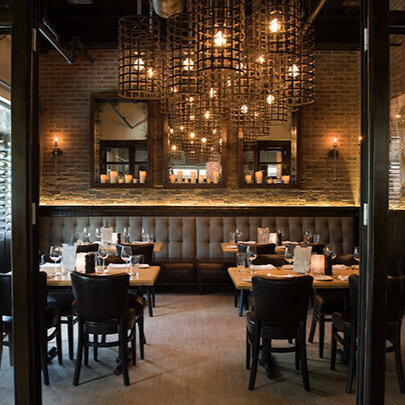
Have you ever stepped inside a restaurant, an office, or a lobby, and noticed how every surface sparkles like it’s straight out of a magazine spread? How do these high-traffic spaces stay so effortlessly chic? The secret lies in choosing materials that are as resilient as they are stylish. From glossy countertops to resilient flooring, commercial spaces demand finishes that can withstand daily wear while maintaining their sophisticated charm.
In this guide, we’ll explore standout materials that perform beautifully in high-traffic environments, share insights for restaurant design, office layouts, and hospitality interiors, and provide tips to keep spaces stylish without sacrificing longevity.
How to Identify Materials That Perform in Commercial Interiors
Durable materials in commercial interior design aren’t just about toughness, they’re about marrying function with style. In high-traffic areas like lobbies, coworking spaces, and restaurants, materials must resist stains, scratches, and fading, all while complementing the overall design vision.
A trusted interior design professional considers multiple factors: frequency of use, exposure to sunlight, moisture, cleaning routines, and aesthetic flexibility. Materials that can adapt to changing trends without showing wear are often the top choice for office interior design projects, where first impressions and functionality go hand in hand.
Stone Surfaces: Timeless Elegance Meets Endurance
Marble that whispers elegance, granite with the quiet confidence of durability, quartz that gleams like liquid sunlight, stone surfaces in commercial interiors aren’t just functional, they’re a statement. Each slab adds character, depth, and a touch of theatrical flair to restaurant design or office reception areas.
Granite offers incredible durability against scratches and heat, making it ideal for restaurant bars or office reception desks. Quartz blends style with low maintenance, resisting stains from coffee spills or makeup accidents in salons. Even marble, though softer, can be treated with protective coatings to ensure it withstands daily wear. For a restaurant design that needs both glam and grit, stone surfaces are a dependable choice.
Wood Finishes That Work Hard and Look Good
Wood can be a tricky material in commercial settings. Traditional hardwoods may show scratches quickly, but engineered wood, reclaimed timber, and composite options offer resilience without sacrificing warmth or character.
Engineered wood flooring provides the beauty of solid wood with enhanced stability against moisture and foot traffic. For accent walls or cabinetry, consider veneers or treated woods that retain their patina while resisting scratches. A clever mix of textures keeps the interior playful and inviting, hallmarks of exceptional interior design styling.
Fabrics and Upholstery That Survive Daily Use
Soft furnishings in high-traffic areas need to be as durable as they are beautiful. Commercial-grade fabrics such as Crypton or Sunbrella are stain-resistant, easy to clean, and come in an array of whimsical patterns and textures.
For office interior design, upholstered seating with high-performance fabrics ensures that lounges and meeting rooms look pristine year-round. In restaurants, vinyl or coated textiles can handle spills without compromising style, letting designers experiment with bold colors and prints.
Metals and Finishes That Maintain Their Shine
Metal isn’t just for function; it’s for flair. Polished brass, matte nickel, and burnished bronze do more than last; they anchor the room with elegance. A subtle gleam catches the eye without dominating, while thoughtful finishes can disguise fingerprints and wear. In restaurant design or office interiors, metals provide structure and shine, making everyday surfaces feel like curated statements rather than just practical choices.
Brass hardware develops a natural patina that can become a design feature rather than a flaw, while stainless steel resists rust and fingerprints, ideal for kitchen areas in restaurant or hotel design. Using metals strategically, whether in lighting, fixtures, or furniture legs, adds a playful contrast and durability that designers love.
Flooring That Keeps Up With Foot Traffic
Flooring in commercial spaces is often the silent hero of interior design styling. Materials must handle thousands of footsteps daily without losing their charm.
Luxury vinyl tiles (LVT) offer water resistance, easy maintenance, and endless design options. Porcelain tile is a superstar for restaurants and lobbies, resisting scratches, heat, and stains while mimicking natural stone or wood. Carpets can also perform well if chosen carefully; commercial-grade carpets with low pile and stain-resistant fibers keep spaces cozy without compromising longevity.
Glass and Acrylic for a Modern Touch
Glass and acrylic can feel lightweight but carry serious visual weight. Tempered glass partitions or acrylic panels in offices or restaurants add light and openness while being strong enough for everyday use.
For restaurants, glass tabletops with a protective coating combine elegance with practicality. Acrylic furniture pieces or wall panels can mimic high-end designs at a fraction of the weight, perfect for playful or eclectic interiors. From Palm Beach restaurants to boutique offices, finishes that shine and textures that endure help interiors feel curated and unique.
How to Choose the Best Materials for Commercial Projects
Selecting the right materials for these types of projects goes beyond visual appeal. A seasoned, top-rated interior designer considers longevity, maintenance, and user experience.
When evaluating options, consider:
- Traffic levels: How many people use the space daily?
- Exposure to elements: Will sunlight, moisture, or heat affect materials?
- Maintenance: How easy is it to clean or repair the surfaces?
- Aesthetic flexibility: Can the material adapt to seasonal changes or evolving design trends?
Avoid overly delicate surfaces that might require constant upkeep, and invest in finishes that balance beauty with practicality. The goal is to create spaces that feel curated and vibrant yet withstand the rigors of daily use.
Frequently Asked Questions
How do I determine the right level of durability for different areas?
High-traffic zones like lobbies or restaurant dining rooms need materials that resist scratches and stains, while lower-traffic spaces, such as private offices, can accommodate softer finishes.
How often should commercial materials be refreshed or replaced?
It depends on traffic and material type. High-quality stone, metal, or engineered wood can last 10–20 years with proper care, while fabrics and soft furnishings may need updating every 5–7 years to keep interiors looking fresh.
Are there safety standards for commercial interior materials?
Yes. Many commercial spaces require fire-rated finishes, slip-resistant flooring, and low-VOC coatings to meet local building codes and ensure occupant safety.
How do I plan for future design changes in commercial spaces?
Choosing adaptable materials, modular furniture, and finishes that pair with multiple styles allows businesses to update branding, layouts, or interiors without major renovations.
Built to Last, Designed to Delight
Durable, stylish materials are the backbone of any thriving hospitality space. From office interior design to restaurant design, choosing finishes that can stand up to daily wear ensures your interiors stay vibrant and inviting for years. Whether it’s stone, engineered wood, metals, fabrics, or modern glass, the right selections marry function with high-end charm.
Working with experienced interior design firms in Palm Beach, like Kellie Burke Interiors, ensures your spaces reflect your brand, remain practical, and maintain a playful, curated aesthetic. Explore our commercial interior design services to see how we can bring your vision to life.