

Have you ever walked through your home and felt as if each room belonged to a different chapter of a story that never quite comes together? Many homeowners feel this way, especially when decorating one space at a time. Creating a cohesive look is not about perfect symmetry or choosing the same furniture everywhere. It is about shaping an atmosphere that carries you from room to room with ease, warmth, and intention. When supported by thoughtful interior design services, your house interior can feel beautifully unified without ever losing its individuality.
This guide will show you how to build flow throughout your home, how to choose elements that complement one another, and how working with experienced room designers or exploring a detailed interior design portfolio can help you understand what true harmony looks like.
Understanding What a Cohesive Home Really Means
A cohesive home is not about repeating the same sofa, rug, or paint color. It is about creating subtle threads that connect your surroundings. These threads may appear in your lighting choices, the curve of a chair, the base notes of your color palette, or even a recurring texture that adds quiet continuity.
At Kellie Burke Interiors, we often begin by reviewing interior design by room to understand where your home already sings and where the transitions feel abrupt. This helps us shape a design direction that feels intentional and inviting.
Start With a Whole Home Vision
Before choosing fabrics for a living room or exploring bedroom design ideas, pause and imagine how you want your entire home to feel. Storytelling is at the heart of beautiful design. Consider the mood you want guests to experience the moment they step inside. Calm. Airy. Playful. Grounded. Once you identify this, everything else becomes easier.
How Color Quietly Connects Your Spaces
Color is one of the most graceful tools for creating harmony. You don’t need a single shade carried across every wall. Instead, choose a palette of tones that flow effortlessly together. Perhaps the soft cream you love in your living room also appears as trim in your hallway. Maybe the gentle blue from your bedroom design reappears in a piece of art or a vase in the kitchen.
Consistency Without Repetition
Creating a cohesive house interior does not mean you must limit your creativity. In fact, variation is essential. The key is introducing variety with intention rather than randomness.
One brief list of ways to do this well:
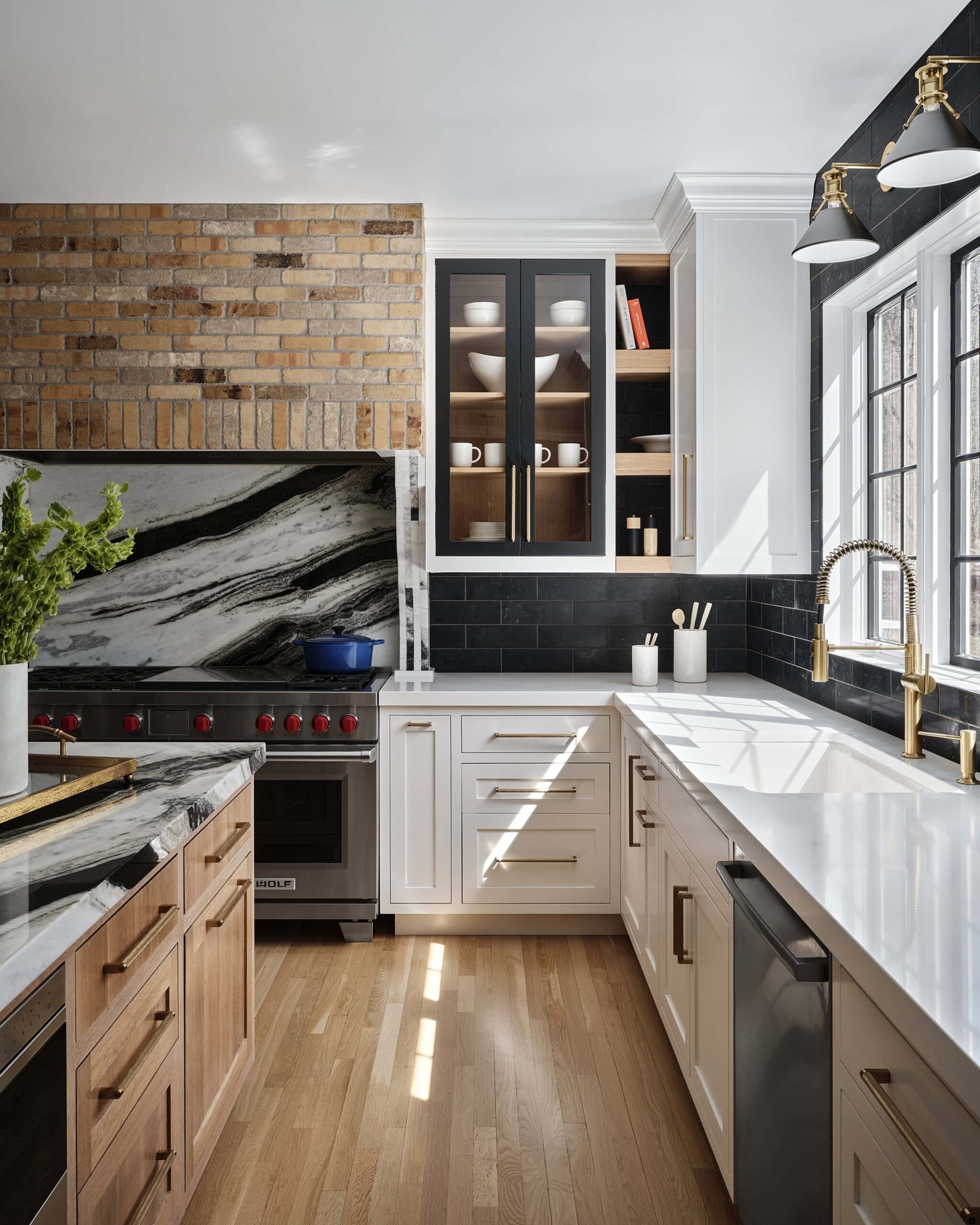
- Repeat materials such as brass, natural woods, polished stone, or textured fabrics in multiple rooms.
- Echo similar shapes or silhouettes, like rounded armchairs, tapered legs, or arched doorways, to create soft visual continuity.
- Carry smaller details such as hardware finishes, cabinet styles, or even recurring art themes throughout your house interior.
Small decisions like these stitch your spaces together without making them feel overly similar. Room designers often use materials as quiet anchors that build continuity throughout the home.
Shape Your Home With Scale and Proportion
Even the most beautiful design elements can feel out of place if they lack balance. Oversized furniture in one room and delicate, minimal pieces in another can interrupt the flow. When scale and proportion remain consistent, your rooms feel related. This is one of the subtle landmarks of professional interior design services.
Whether choosing a dining table, a bedroom bench, or statement lighting, consider how the pieces relate to the rest of your home in presence and weight.
Create Subtle Transitions With Lighting
Lighting carries emotion. A cohesive home usually shares lighting finishes or shapes that appear throughout different rooms. This could mean warm brass fixtures that echo from the foyer to the living room or simple linen shades that repeat in softened, unexpected ways.
Light temperature also plays a major role. Mixing warm and cool light from room to room can make a house feel disjointed. Consistent lighting creates tranquility and an effortless sense of flow.
Texture as a Connecting Language
Texture can be one of the most expressive elements in a home. Linen curtains, woven baskets, a velvet accent chair, or a textured wool rug can link spaces together without being obvious. When a texture subtly reappears in another room, your home feels thoughtfully layered and inviting.
Frequently Asked Questions
Is creating a cohesive home the same as choosing one design style?
No. You can blend multiple styles as long as the visual relationships are intentional and balanced.
How long does it take to create a cohesive home?
Timeline depends on project size. Some updates happen quickly with color and decor; full redesigns take longer.
What is the cost of working with home designers?
Costs vary depending on project scope, furnishings, and professional time. Most homeowners customize their investment based on their goals.
Bringing It All Together
A cohesive home feels peaceful, connected, and beautifully designed. It reflects your personality while still offering a sense of flow. By being thoughtful with your color palette, materials, textures, and furnishings, you can create spaces that complement one another instead of competing.
If you want expert guidance, Kellie Burke Interiors offers full interior design services that bring clarity and creativity to every corner of your home. Contact our team to begin transforming your Connecticut home with confidence.