

Have you ever walked into a home that just feels right, even if you cannot explain why? That sense of ease is rarely accidental. A skilled home designer approaches every project with intention, shaping each room to work beautifully on its own and as part of a larger story. When an experienced interior designer, whom West Palm Beach homeowners trust, plans a home room by room, the result is both effortless and deeply personal.
This article pulls back the curtain on how designers think through an entire home, space by space. You will learn how function, flow, and personality come together, and why this process leads to homes that feel layered, livable, and quietly luxurious.
What Does Room-by-Room Interior Design Mean?
Room-by-room interior design is the process of planning each space individually while keeping the overall vision of the home intact. In practice, a luxury interior designer considers how rooms connect visually and emotionally, not just how they look in isolation.
For example, a living room might set the tone with bold textures and confident color, while adjacent spaces echo those choices in subtler ways. This approach ensures the home feels cohesive without becoming predictable.
How Designers Begin With the Big Picture
Before a single fabric is chosen, designers step back. They study how the home is used, how people move through it, and what moods each space should evoke. This is where experience matters most.
An interior decorator, palm beach clients rely on, will often begin with lifestyle questions. Who lives here? How do they entertain? Where do they unwind? These answers shape every decision that follows, from layout to lighting.
Establishing Flow and Continuity
Flow is about more than open floor plans. Designers look at sightlines, transitions, and rhythm. Colors may shift, but undertones stay consistent. Materials repeat, but in new expressions.
This quiet continuity allows each area to shine while still belonging to the whole.
Designing the Living Room as the Anchor
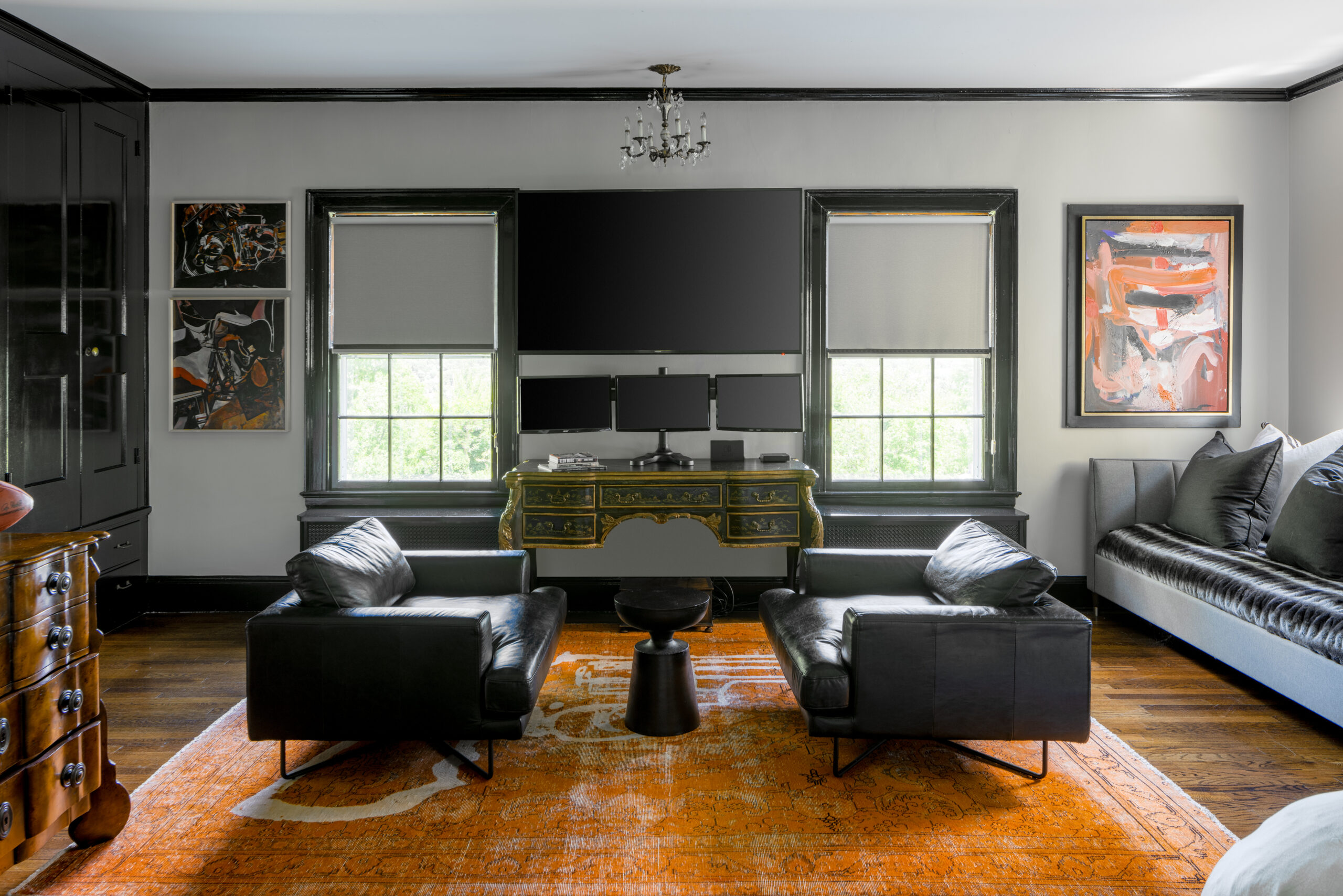
The living room often acts as the emotional center of the home. It sets expectations for what is to come. Skilled living room designers balance comfort with visual interest, layering furniture, art, and texture to create depth.
A well-designed living room welcomes guests while still feeling personal. Scale is carefully considered so seating feels intimate, not crowded. Lighting is layered to adapt from day to night. Nothing is accidental, even if it feels relaxed.
Kitchens That Balance Beauty and Function
Kitchens demand a different kind of creativity. They must work hard while still looking refined. Designers plan these spaces with precision, considering workflow, storage, and durability.
In luxury homes, kitchens often double as gathering spaces. Finishes are chosen to age gracefully. Hardware becomes jewelry. The goal is a space that feels elevated but never precious.
Dining Rooms That Feel Inviting, Not Formal
Dining rooms no longer exist just for special occasions. Designers today reimagine them as warm, flexible spaces. Proportion is key. Tables, chairs, and lighting must relate to one another comfortably.
An interior designer in West Palm Beach often uses texture and unexpected elements to soften formality. This might mean mixing materials or introducing art that sparks conversation.
Bedrooms Designed for Rest and Personality
Bedrooms are deeply personal. Designers treat them as retreats, prioritizing calm without sacrificing character. Color palettes tend to be more restrained, but never boring.
Layers matter here. Upholstered headboards, tactile textiles, and thoughtful lighting create a sense of refuge. Storage is integrated seamlessly, so the space remains serene.
Bathrooms as Private Sanctuaries
Bathrooms are where luxury becomes intimate. Designers approach them with a focus on ritual and comfort. Materials are selected for both beauty and longevity.
A luxury interior designer often treats the primary bath like a private spa. Lighting is flattering. Layouts encourage ease. Even small details, like hardware placement, are carefully considered.
How Hallways and Transitional Spaces Are Handled
Hallways, staircases, and entryways are often overlooked, but designers see them as opportunities. These spaces set the rhythm between rooms.
Artwork, lighting, and architectural details turn transitions into moments. This attention ensures the home feels complete, not just decorated.
Why a Room-by-Room Approach Matters
Designing a home all at once without breaking it down can lead to imbalance. Some rooms end up overworked, others neglected. This strategy prevents that.
It also allows flexibility. Designers can adjust plans as the home reveals itself, responding to light, scale, and how spaces interact in real life.
Benefits of Working With a Professional Designer
There is a reason homeowners invest in expertise. A professional brings perspective, resources, and restraint. They know when to push and when to edit.
Working with an experienced home designer also saves time and costly mistakes. Decisions are guided by knowledge, not guesswork. The result feels intentional, not trendy.
How to Choose the Right Interior Designer
Choosing the right designer is about alignment. Look for someone whose work resonates, but also someone who listens. The best relationships are collaborative.
An interior decorator, Palm Beach clients return to will balance vision with practicality. They will guide without overpowering. Trust is essential because design is personal.
Frequently Asked Questions
How do interior designers balance creativity with practicality?
Great design lives at the intersection of beauty and livability. Designers consider how a space will be used every day while layering in artistic choices that elevate the experience without sacrificing comfort or function.
Will my home still feel like me if I work with a designer?
Yes. A thoughtful designer translates your preferences, habits, and personality into a cohesive vision. The goal is not to impose a signature style, but to refine and amplify what already resonates with you.
How early should an interior designer be involved in a project?
The earlier, the better. Bringing a designer in at the beginning allows for smarter space planning, more intentional material choices, and fewer costly changes later in the process.
Designing With Intention From Start to Finish
Planning a home room by room is both an art and a discipline. It requires vision, patience, and a deep understanding of how people live. When done well, the result is a home that feels layered, soulful, and enduring.
At Kellie Burke Interiors, this thoughtful approach allows each space to feel distinct while contributing to a cohesive whole. If you are ready to explore what intentional design can do for your home, consider learning more about our design services or reaching out to begin a conversation. A well-designed home does not just look beautiful. It supports the way you live, every single day.